What you need to know
Insurance vehicle inspection in Edmonton
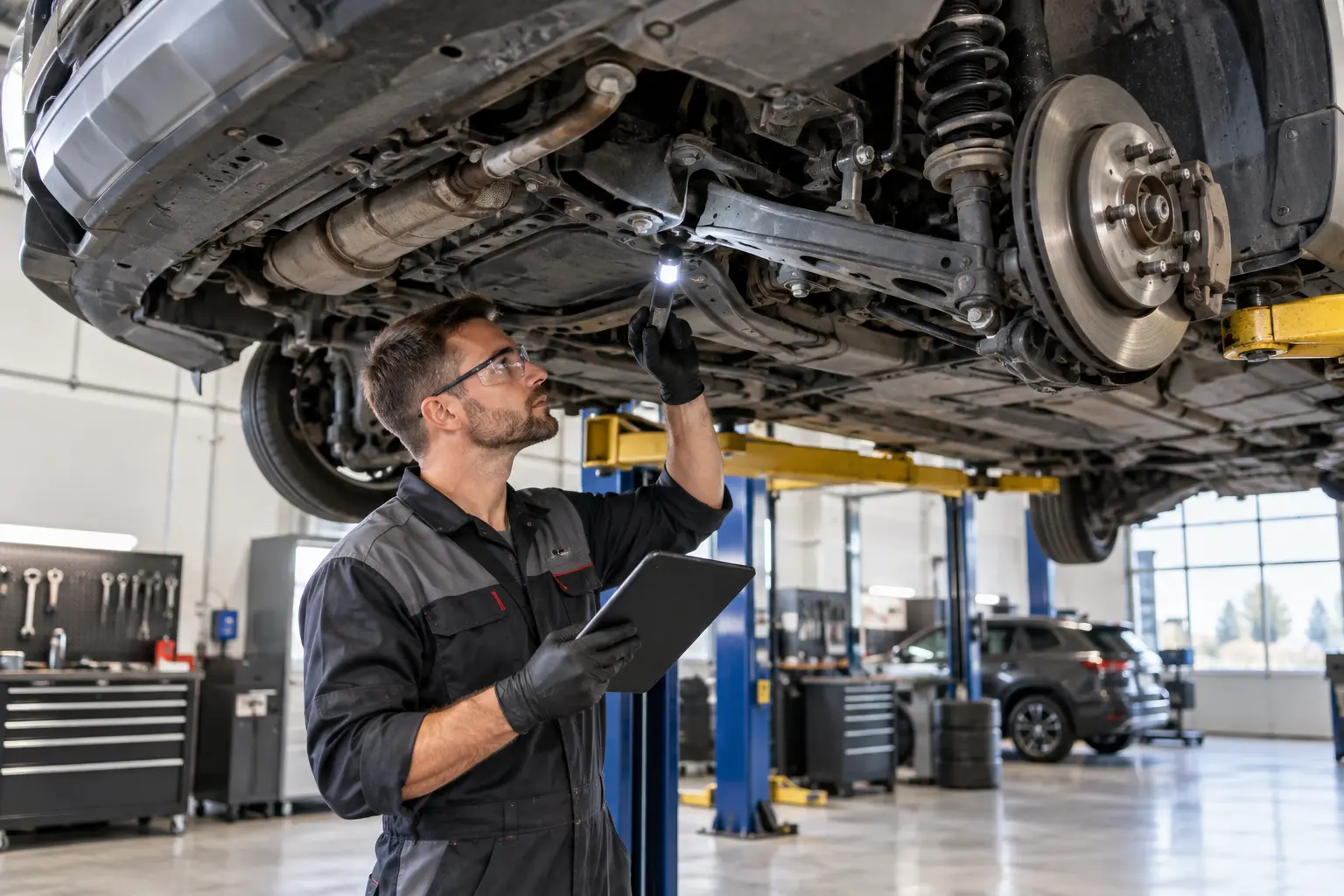
DAS Automotive provides insurance vehicle inspection appointments for Edmonton drivers whose insurer has requested a vehicle assessment or condition documentation. Because insurance requests vary by provider, policy, vehicle history, and current program, customers should bring the insurer’s most recent form or written instructions to the appointment.
DAS Automotive has served Edmonton drivers since 2012. Our team begins by confirming why the inspection has been requested, what information the customer needs, and whether a different inspection type is more appropriate. The appointment is not a sales pitch: it is a documented assessment of the vehicle based on the agreed scope. If repair work is recommended, it is estimated separately and starts only after the customer approves it.
When this inspection is a good fit
This service is a good fit when an insurer, broker, adjuster, or insurance-related process has asked for information about a vehicle’s current condition. DAS does not interpret insurance coverage, pricing, claim decisions, or policy requirements; it completes the agreed vehicle assessment and explains the vehicle findings clearly.
- A current insurer request: Your insurer or broker has supplied a form, email, portal instruction, or other written direction requesting a vehicle inspection.
- A policy or underwriting question: You have been asked to provide condition information so an insurer can review a vehicle, but you need to confirm the right appointment first.
- A vehicle history concern: A collision, repair history, modification, or other condition has led an insurer to request documentation before the next step can be decided.
- A repair planning need: You want to understand visible mechanical, tire, body, or collision concerns before discussing them with your insurer or arranging repairs.
- A documentation follow-up: You need a clear record of what was observed at the appointment rather than relying on memory or an informal conversation.
If the request comes from a third party, bring the current request, form, or written instructions. Requirements can change, and DAS confirms the appointment scope before inspection work begins. That extra step helps avoid completing the wrong type of assessment or leaving a customer without the documentation they were asked to provide.
How the appointment works
A useful inspection starts with context. The more accurately a customer explains the vehicle, its recent history, and the reason for the visit, the easier it is to focus the assessment on the issues that matter. The process is designed to be clear from check-in through follow-up.
- Step 1 — Review the insurer’s instructions. DAS reviews the current form or written request brought by the customer and confirms whether the service can be completed as requested.
- Step 2 — Confirm the vehicle details. The customer provides the vehicle information and explains the reason for the request, including any relevant collision, repair, warning-light, or drivability concerns.
- Step 3 — Inspect the agreed vehicle areas. The technician completes the agreed inspection scope and records observations that may need a customer, insurer, or repair follow-up.
- Step 4 — Explain the vehicle findings. DAS discusses what was observed in practical language and distinguishes inspection findings from policy, coverage, or claims decisions.
- Step 5 — Provide repair options only if requested. If a repair estimate is needed, it is prepared separately. The customer remains in control of any authorization.
Some findings may require further diagnosis, a repair estimate, or a return appointment. DAS explains that distinction clearly. A visual or functional inspection can identify a concern, but it should not be confused with a repair authorization or a guarantee that every component will remain trouble-free after the visit.
What an insurance-related inspection may involve
The insurer’s current request determines the assessment. Depending on that request and the condition presented, DAS may inspect or document accessible areas such as:
- Visible body and collision damage: Panels, bumpers, paint, glass, lighting, trim, and signs that an impact may have affected related parts or systems.
- Mechanical condition concerns: Reported noises, warning lights, starting problems, leaks, brake symptoms, steering concerns, and other issues requiring a clear customer discussion.
- Tires, wheels, and suspension: Visible tire wear or damage, wheel concerns, alignment symptoms, suspension noises, and conditions that can affect how the vehicle drives.
- Lighting and exterior operation: Applicable exterior lighting and visible conditions connected to safe normal use of the vehicle.
- Accessible fluid and under-vehicle observations: Visible leaks, damaged components, and other accessible conditions that may warrant additional diagnostic or repair work.
- Repair history context: Receipts, prior estimates, and customer information that help separate known repairs from new or unresolved concerns.
- Documentation needs: Information the customer has been asked to provide to an insurer, without DAS making claims or coverage decisions on the insurer’s behalf.
- Related repair referrals: If repair work is requested, DAS can discuss mechanical, collision, paint, tire, alignment, or parts services in a separate estimate.
The inspection is performed to the agreed scope and vehicle condition that can reasonably be checked at the appointment. Components that are inaccessible without disassembly, problems that appear only intermittently, or items outside the confirmed scope may need separate diagnostic work. DAS will explain when that is the case instead of presenting an assumption as a completed test.
What to bring and how to prepare
Arriving prepared keeps the appointment focused and reduces avoidable delays. Keep the vehicle accessible, bring the documents connected to the request, and make a note of concerns that occur only under particular driving conditions. If another person is handling registration, sale, insurance, or platform paperwork, make sure the correct current instructions are available before the vehicle is dropped off.
- Insurer form or email: Bring the current request from the insurer, broker, or adjuster. A recent email or portal instruction is useful when a formal form is not available.
- Claim or policy reference: If the insurer has supplied a reference number or specific direction, bring it so the appointment can be matched to the request.
- Vehicle history: Bring recent invoices, prior repair estimates, or collision information that may provide context for conditions DAS observes.
- Questions for your insurer: Write down coverage or process questions for the insurer. DAS can explain vehicle findings, while your insurer is the right source for policy and claims decisions.
Please mention warning lights, recent collision damage, recent repairs, fluid leaks, tire concerns, unusual sounds, poor starting, steering changes, or braking changes when booking. Those details do not replace an inspection, but they help DAS understand what to look at and whether the appointment needs additional time.
Understanding the findings
DAS provides an inspection result based on the agreed scope and the vehicle condition observed at the appointment. It does not decide whether a policy covers a repair, whether a claim will be accepted, or how an insurer will value a vehicle. That distinction protects customers from assuming an inspection statement is the same as an insurance decision. If the inspection identifies work that may be needed, DAS can explain and estimate the repair separately.
DAS separates the inspection result from any repair recommendation. If service is needed, customers receive an explanation of the concern and a separate estimate whenever appropriate. They can then decide whether to proceed, schedule a later repair, or use the information for their own planning. No additional mechanical, collision, tire, or parts work is performed without approval.
When a repair is requested, DAS can also help coordinate related work in one Edmonton location, including mechanical auto repair, brake repair, tire service, wheel alignment, and collision repair. That is useful when a vehicle has more than one concern, but it never changes the inspection scope or creates an obligation to approve a repair.
Why Edmonton drivers benefit from a documented check
Edmonton driving can expose a vehicle to temperature swings, winter road conditions, potholes, gravel, long highway trips, and stop-and-go city travel. These conditions can make a small concern more noticeable, especially in tires, brakes, suspension, steering, battery performance, lighting, cooling, and body condition. A properly scoped inspection provides a practical snapshot so the customer can make a better decision instead of relying only on an advertisement, a dashboard warning, or a quick look in a parking lot.
For everyday ownership, an inspection is a planning tool. For a transaction, it is a way to ask better questions. For a third-party request, it helps make sure the vehicle and paperwork are reviewed together. DAS communicates the result in straightforward language, including what was observed, what needs a follow-up conversation, and when another type of inspection or diagnostic appointment may be more useful.
Frequently asked questions
Do I need to bring my insurance paperwork?
Bring the latest form, email, or written instructions from your insurer whenever possible. The request helps DAS confirm the correct appointment and documentation.
Can DAS tell me what my insurance will cover?
No. DAS can explain vehicle findings and a repair estimate if requested. Coverage, claims, and policy decisions must come from the insurer or broker.
What if the vehicle was in a collision?
Mention the collision history when booking and bring any available documentation. DAS can assess the agreed areas and, if needed, discuss a separate collision repair estimate.
Will DAS repair the vehicle during the inspection?
Only if you separately approve repair work. The inspection is not a repair authorization, and DAS will not add work without customer approval.
Can I send the completed result directly to my insurer?
Follow the insurer’s current submission instructions. DAS can explain the documentation completed at the appointment, but the insurer determines how it must be submitted.
What if the insurer’s request is unclear?
Contact the insurer for clarification and bring the current written information to DAS. DAS will confirm what can be completed at the appointment rather than guessing about the insurer’s process.
Book an inspection with DAS Automotive
To book an insurance vehicle inspection in Edmonton, use the online booking page or call 1 416 555 0120. Tell us the vehicle year, make and model, the reason for the inspection, and whether someone has supplied a current form or instruction sheet. DAS will confirm the right appointment before you arrive.
Looking for a different assessment? Explore vehicle inspection options, pre-purchase inspections, out-of-province inspections, and salvage vehicle inspections.
How to use your insurance vehicle inspection results
A detailed insurance vehicle inspection is most useful when it helps you respond to an insurer, broker, or adjuster request for vehicle condition documentation. DAS explains what was observed in everyday language, identifies what needs further conversation, and separates an inspection finding from any later repair decision. This allows customers to make a decision based on the vehicle condition rather than a short verbal opinion or an incomplete checklist.
The appointment should not be used as a substitute for a title, lien, finance, insurance, registry, platform, or sale-contract decision. Its purpose is to provide vehicle information within the agreed scope. If another party controls the next step, keep their current instructions available and use DAS’s explanation to ask better questions.
Decision points after the appointment
- Use vehicle findings to prepare informed questions for the insurer.
- Keep coverage, premium, settlement, and policy questions with the insurer or broker.
- Identify whether a separate mechanical or collision repair estimate is useful.
- Document the vehicle condition within the agreed scope.
- Follow the insurer’s current submission instructions after the appointment.
When an item needs repair, DAS can explain why it was recommended, what system it relates to, and whether it should be addressed promptly or scheduled for later. The customer remains free to approve, defer, or seek more information. Nothing in the inspection automatically authorizes additional work.
Preparation checklist for a better appointment
Bring the current insurance request, claim or policy reference, and relevant repair or collision records. Also make a short note of dashboard warnings, unusual noises, leaks, pulling, vibration, braking changes, tire wear, collision history, or problems that happen only in certain conditions. This helps DAS focus on the questions that matter to you.
- Confirm the vehicle year, make, model, mileage, and vehicle access before the appointment.
- Bring the keys and make sure personal belongings do not block reasonable access to agreed inspection areas.
- Write down when symptoms occur: when cold, at highway speed, while braking, while turning, over bumps, after a repair, or after an impact.
- Bring current forms or instructions if a third party requested the inspection; requirements can change.
- Allow time after the appointment to review results and decide whether a separate repair or diagnostic estimate is useful.
If the vehicle has a serious safety concern—such as poor brake response, difficult steering, an unsafe tire, overheating, a major leak, or a vehicle that is not running reliably—do not assume it is appropriate to drive to the appointment. Discuss the condition with DAS before travel and arrange suitable help if necessary.
Additional customer questions
Can DAS guarantee a vehicle will not need future repair?
No. The appointment explains the condition observed within the agreed scope at that time. Future maintenance and repair needs can still arise.
Can DAS complete repairs after the appointment?
Yes. DAS can provide a separate estimate for mechanical, brake, tire, alignment, collision, paint, or parts work that you choose to authorize.
What if the vehicle needs more testing?
DAS will explain why a separate diagnostic or focused service may be needed. Further work is not added without customer approval.
Should I bring old records?
Bring them when they help explain vehicle history. They are useful context, but DAS still assesses the condition presented at the appointment.
How should I book?
Use the online booking page or call DAS with the vehicle year, make, model, reason for the appointment, and any current paperwork.
Related services at DAS Automotive
If follow-up work is needed, DAS can coordinate vehicle diagnostics, mechanical repair, brake repair, tire service, wheel alignment, and collision repair. Each service is presented as a separate estimate so you can choose the work that fits your situation.