What you need to know
Tire change in Edmonton
A seasonal tire change at DAS Automotive is set up around your vehicle, tire-and-wheel configuration, and current tire condition. Whether your seasonal tires are already mounted on rims or need to be moved to a different set of wheels, DAS confirms the right appointment so Edmonton drivers know what to expect before arrival.
DAS Automotive has served Edmonton drivers since 2012. We start by listening to what the vehicle is doing, reviewing the history that matters, and confirming the right service before work begins. That approach helps customers understand the reason for a recommendation rather than being handed an unexplained parts list. If repairs are needed, DAS provides an estimate and waits for approval before performing additional work.
When to book a tire change
Book a tire change when you are moving between winter and all-season or summer setups, when tires are ready for a wheel swap, or when you want tire condition and brake condition checked as part of seasonal vehicle care.
- Seasonal timing: Road conditions and temperatures are changing, and you want the vehicle prepared with the tire set that fits your driving plan.
- Tires on rims: Your winter or seasonal tires are already mounted on their own wheels and need to be swapped onto the vehicle.
- Tires off rims: You need tires removed from one set of rims and mounted to another set before the vehicle is ready for the road.
- Vibration after a prior change: The vehicle vibrates at speed, the steering feels different, or a wheel may need balancing or further inspection.
- Pressure or warning concerns: A tire-pressure light has appeared, a tire seems low, or you want the tire and wheel condition checked during the appointment.
- Tread and wear questions: You are unsure whether the seasonal tires have enough tread or whether uneven wear points to an alignment or suspension concern.
- Brake inspection planning: You want to take advantage of the free brake inspection that DAS includes with every tire change.
- Wheel or tire damage: A curb hit, pothole impact, crack, bulge, cut, or visible damage needs to be considered before the tire set goes back on the vehicle.
A symptom is not always a diagnosis. Two vehicles can make the same noise or show the same warning light for different reasons. DAS uses the symptoms as a starting point, then checks the systems related to the concern. That is why a proper appointment is more useful than replacing a part based only on a guess or an internet search.
How DAS approaches a tire change
The process is designed to make the work understandable from the first conversation through completion. The exact steps depend on the vehicle and the concern, but a typical visit includes the following:
- Step 1 — Confirm the tire configuration. DAS asks if the tires are on rims, off rims, stored at another location, or already on the vehicle so the correct service time can be booked.
- Step 2 — Inspect tires and wheels. Tread, visible tire damage, wheel condition, and pressure-related concerns are reviewed before and during the agreed tire work.
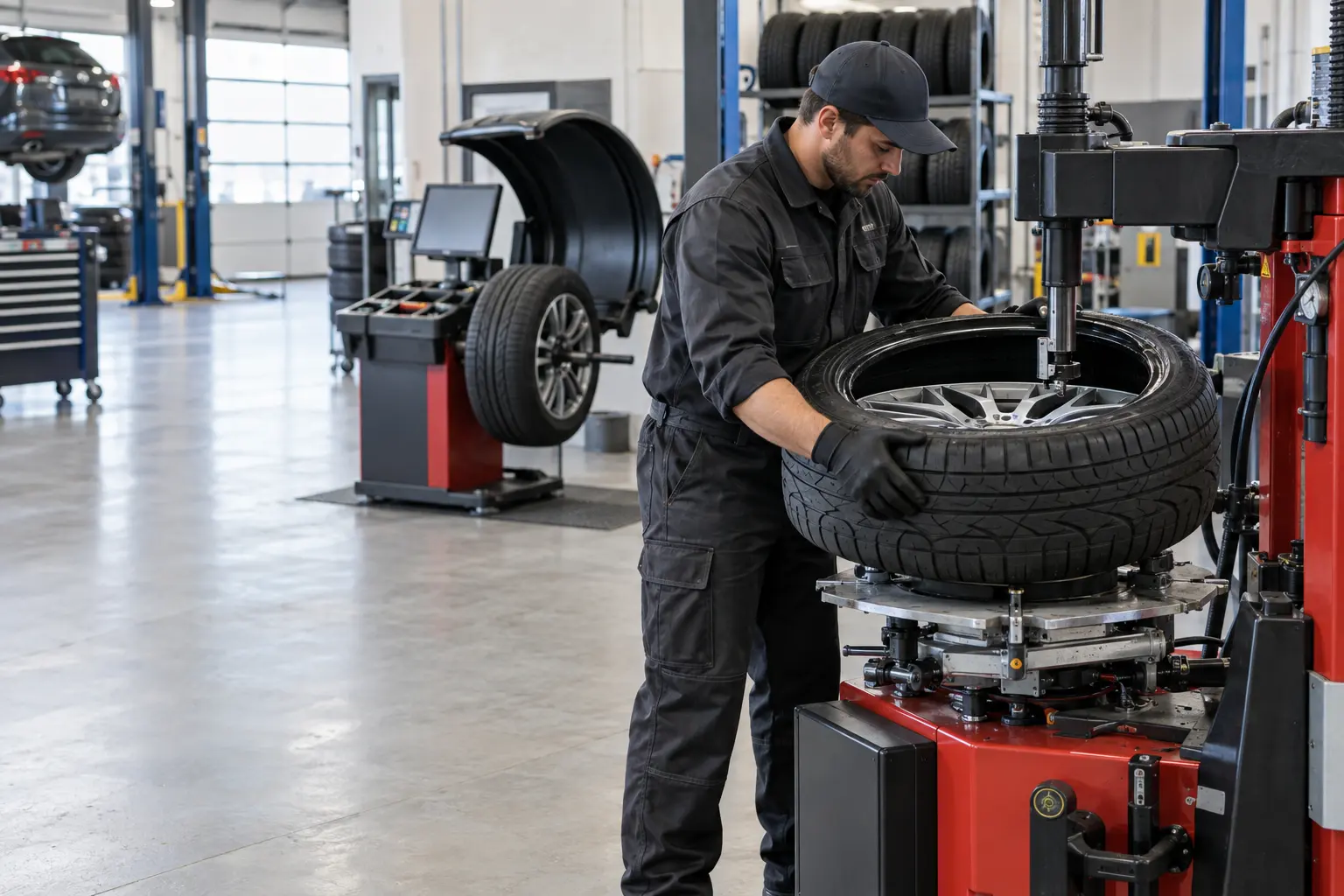
- Step 3 — Change or mount the tire set. The team completes the appropriate swap, installation, or related work based on the confirmed appointment and vehicle needs.
- Step 4 — Set up for the road. The service addresses the agreed pressure, balance, and wheel installation needs, while noting any concern that should be monitored or repaired.
- Step 5 — Review tire and brake observations. DAS explains the tire condition, includes the free brake inspection with a tire change, and provides separate estimates for any recommended repairs.
If the diagnosis reveals another issue, DAS explains why it matters and what additional testing or work would be required. The customer sees the recommendation before deciding whether to proceed. This keeps maintenance, diagnosis, and repair decisions separate and avoids surprising work at the end of the appointment.
What is included in a DAS tire-change appointment
The exact work depends on whether tires are already mounted and on their condition. A tire-change visit can involve:
- Wheel-and-tire swaps: Removing one complete wheel-and-tire set and installing the seasonal set when the tires are already mounted on rims.
- Mounting and installation planning: Confirming when tires need to be mounted to wheels rather than simply swapped, so the appointment is booked correctly.
- Pressure checks: Setting or reviewing tire pressures and discussing a tire-pressure warning or repeated pressure loss when reported.
- Visible tread and damage review: Checking for low tread, uneven wear, cuts, bulges, cracking, or other visible concerns that need a customer discussion.
- Wheel condition check: Looking for visible wheel damage or conditions that could contribute to vibration, pressure loss, or mounting concerns.
- Balancing follow-up: Identifying when vibration or a new tire setup may require balancing or another service appointment.
- Free brake inspection: Including a free brake inspection with every tire change and explaining any observed brake concern separately.
- Alignment or suspension referral: Recommending a wheel alignment or suspension check when wear patterns, pulling, or vehicle behaviour suggest that tires are not the only issue.
The vehicle is assessed based on the condition that can reasonably be examined during the appointment. Hidden damage, intermittent symptoms, or components requiring disassembly may need more time or a separate diagnostic procedure. DAS is direct about those limits so customers know what has been checked, what has not, and why a follow-up may be recommended.
Plan your appointment
Bring the correct tire set, wheel-lock key if the vehicle uses one, and the vehicle information. Tell DAS whether the tires are stored on rims and what concerns you have noticed. If a tire is visibly damaged, flat, or has an object embedded in it, mention that before booking so DAS can schedule the right service and give you appropriate direction.
When booking, tell DAS the vehicle year, make, model, mileage, any dashboard warnings, and the conditions that bring on the concern. For example, note whether a noise occurs cold or hot, only while braking, on rough roads, at highway speed, while turning, after a collision, or when the A/C is used. Accurate details help match the appointment to the problem and help the service team prepare.
Bring recent repair invoices or a prior estimate if you have them. These records are useful context, but DAS still verifies the condition before recommending work. If a vehicle has a warranty, insurer, seller, fleet, or another party involved, mention that in advance so the scope and communication can be set up properly.
Edmonton driving and seasonal tire changes
A timely tire change supports traction and confidence through Edmonton’s long winter season, wet spring roads, potholes, and rapid temperature swings. Tire service also gives drivers a practical moment to check brake condition, tread wear, pressure, and whether the vehicle is pulling or vibrating. Those details can help prevent a seasonal change from becoming an avoidable roadside issue.
Seasonal temperature changes, winter cold, potholes, gravel, stop-and-go traffic, highway driving, and seasonal tire changes can all affect how vehicle systems behave. A vehicle that feels normal in mild weather may show a different concern when temperatures fall or when road conditions change. DAS helps customers relate the symptom to the vehicle condition, then offers a practical next step rather than a one-size-fits-all answer.
Related services in one Edmonton location
Many vehicle concerns overlap. DAS can coordinate mechanical repair, vehicle diagnostics, brake repair, tire services, wheel alignment, frame and suspension repair, collision repair, and auto body and paint work when the vehicle needs more than one type of care. Each service is discussed and estimated separately so the customer can choose the work that makes sense.
Frequently asked questions
Do I need to tell you if my tires are on rims?
Yes. Tires already mounted on rims are handled differently from tires that must be mounted to another set of rims, so this determines the appointment type.
Is brake inspection included?
Yes. DAS includes a free brake inspection with every tire change. Repair work is separate and requires approval.
Can you check a tire-pressure light during my tire change?
Tell DAS when booking. The team can assess the tire and visible wheel condition and explain if further diagnosis is needed.
Do you balance tires as part of every swap?
The work depends on the tire-and-wheel setup and the concern reported. DAS will confirm the appropriate service for your appointment.
What if my tires are too worn for the season?
DAS can explain tread and visible condition and discuss replacement options or a suitable next step based on the vehicle and driving needs.
Can an alignment issue show up during a tire change?
Yes. Uneven wear, a pull, an off-centre steering wheel, or vibration may point to an alignment or suspension concern. DAS will explain when follow-up is recommended.
Book a tire change at DAS Automotive
To book a tire change in Edmonton, use the online booking page or call 1 416 555 0120. Explain what the vehicle is doing and when you first noticed it. DAS will confirm the right appointment and let you know what information to bring.
If you are unsure whether this is the correct service, start with the symptoms. DAS can help route you to the right mechanical, tire, alignment, collision, body, inspection, or diagnostic appointment.
A practical decision guide for tire change
This page is designed to help a customer move between seasonal tire setups with the correct appointment, clear tire condition information, and a brake check. The most useful repair decision comes from matching what the driver sees or feels with what the vehicle condition actually shows. DAS starts with winter-to-seasonal tire swaps, tires mounted on rims, tires that need mounting, low tread, tire-pressure questions, or vibration, then checks the related systems before recommending a repair plan.
Clear information matters because automotive symptoms often overlap. One vehicle may have a pull from tire wear, while another has a steering, brake, wheel, alignment, suspension, or collision-related issue. DAS separates the observed condition from the proposed repair so customers can understand the reason for the recommendation.
Real-world situations that help DAS assess the vehicle
- Tires already mounted on rims require a different appointment than tires that must be mounted to another wheel set.
- A seasonal change is a practical time to identify uneven wear, low tread, visible damage, or a wheel concern before the next season.
- Tire-pressure changes are common with weather shifts, but a recurring warning should be mentioned for a proper assessment.
- The free brake inspection included with each tire change gives customers useful information without automatically authorizing repair.
- A vibration after a seasonal change can involve balance, tire condition, wheel condition, alignment, or suspension.
- Pothole or curb damage should be discussed before the tire set is installed or driven on.
If a concern is severe—such as poor brake response, difficult steering, unsafe tire damage, overheating, a major leak, a strong fuel or electrical smell, or loss of vehicle control—do not treat it as a normal service delay. Explain the condition before driving to DAS and arrange appropriate help if it is not safe to drive.
Before you approve a repair
DAS provides a clear repair estimate after assessment or diagnosis. Customers can ask what was found, why the work is recommended, what happens if the repair is delayed, and whether any related service should be handled first. That conversation is important because parts, labour, alignment, paint, collision work, diagnostics, and tire work may each have their own role in the final repair plan.
A repair estimate is not a blank authorization. DAS waits for the customer’s approval before starting additional work. If a new condition appears during repair, DAS explains it before expanding the work. This gives the customer control while allowing the vehicle to be repaired in a logical order.
Customer checklist
- Tell DAS whether the tires are on rims, off rims, or stored at a different location.
- Bring the wheel-lock key if applicable.
- Check that you have the correct seasonal set and explain any visible tire or wheel concern.
- Mention tire-pressure warnings, a previous vibration, pull, or uneven wear at booking.
- Allow time to discuss the free brake inspection and any separate repair recommendation.
Bring the vehicle information, keys, and any relevant history. If another party is involved—such as an insurer, seller, fleet, or warranty provider—tell DAS early. The team can explain vehicle findings and repair options, while coverage, contract, or policy decisions should be confirmed with that other party.
Additional questions customers ask
When should I change from winter tires?
Book based on your vehicle use, current road conditions, and seasonal temperature changes. DAS can confirm appointment availability and tire setup needs.
Can I use old seasonal tires?
DAS can assess visible tread, wear, and damage, then explain whether the tires are suitable for the vehicle and driving conditions.
Does a tire change include wheel alignment?
Alignment is a separate service. DAS can recommend it if wear patterns, pull, or steering position suggest a need.
What if one tire is damaged?
Tell DAS before booking. The team can assess the tire and explain repair or replacement options based on the condition.
Can I leave the old tires at the shop?
Ask DAS when booking about handling and storage options for your appointment.
Keep related work connected
DAS can coordinate diagnostics, mechanical repair, brake repair, tire service, wheel alignment, frame and suspension repair, collision repair, and auto body and paint work when a concern spans more than one system. Each service is discussed and estimated separately so the customer chooses the work that makes sense.